Taking the First Step: How to Reduce Anxiety Before a Mental Health Hospital Admission
Feeling nervous about an upcoming mental health admission? You're not alone. Understanding what to expect and taking a few simple steps to prepare can help you approach your stay with greater confidence. Making the decision to seek inpatient mental health care is a significant step. For many people, it comes after a period of emotional distress, uncertainty or feeling that their usual ways of coping are no longer enough.
While seeking support is a positive step towards recovery, the thought of being admitted to a mental health hospital can understandably bring feelings of anxiety. You might find yourself wondering:
- What will it be like?
- Will I feel comfortable?
- What will happen when I arrive?
- Will I have to talk about things I'm not ready to share?
- What will the other patients be like?
- How long will I need to stay?
- Will I still have contact with my family and friends?
These are all understandable questions. At Nundah Private Hospital, we recognise that preparing for a mental health admission can feel daunting, particularly if this is your first experience of inpatient care.
Your care begins before you walk through our doors. Our Admissions Team provides important information ahead of your stay to help you understand what to expect, feel more prepared and reduce some of the uncertainty surrounding admission. There are also practical steps you can take to make the experience feel a little less overwhelming.
It's Okay to Feel Nervous
One of the most important things to remember is that feeling anxious before admission doesn't mean you're making the wrong decision. Even when we know something may be beneficial, stepping into an unfamiliar environment can feel uncomfortable. For some people, the anxiety comes from not knowing what to expect. For others, it may be about temporarily stepping away from work, family responsibilities or everyday routines. You may also be worried about what people will think, whether treatment will help or how you'll manage being away from home. These feelings are understandable, and you don't need to pretend you're feeling confident if you're not.
You can feel nervous about admission and still recognise that getting support is an important step towards looking after yourself.
1. Know What to Expect Before You Arrive
One of the biggest contributors to anxiety before a hospital admission is uncertainty. Not knowing where to go, what to bring or what will happen when you arrive can make an already challenging time feel even more overwhelming. At Nundah Private Hospital, we aim to make this process as straightforward and reassuring as possible. Before your admission, our Admissions Team will email you important information to help you prepare for your stay.
This includes:
- Your admission date and time – so you know when to arrive.
- Your admitting doctor – so you know which specialist will be overseeing your care.
- What to bring – a helpful checklist outlining the personal belongings and essentials you'll need during your stay.
- What to leave at home – information about items that are not permitted within the hospital.
- Your medications – instructions about bringing your current medications with you so our clinical team can safely review and manage your treatment.
We encourage you to take some time to read through this information before your admission. You might find it helpful to use the checklist as you pack, make a note of any questions and organise your transport ahead of time. If there's something you're unsure about, or you're feeling particularly anxious about your upcoming stay, our Admissions Team can help answer your questions. Sometimes, simply knowing what to expect can make that first step feel a little easier.
2. You Don't Have to Have All the Answers
Some people worry that they'll need to explain everything they're experiencing as soon as they arrive. When you're already feeling overwhelmed, the thought of discussing difficult emotions or personal experiences with someone new can be intimidating. Remember that mental health professionals understand that opening up takes time. You don't need to have the perfect words to describe how you're feeling, and it's okay if you're unsure where to begin. Something as simple as "I've been struggling, and I don't really know how to explain it" is a perfectly reasonable place to start.
Your treating team is there to help you explore what you're experiencing, understand your needs and work with you to identify appropriate treatment and support. You don't have to arrive with all the answers. That's part of what we're here to help you work through.
3. Prepare for Your Stay at Your Own Pace
A little practical preparation can make admission day feel more manageable. If possible, begin organising what you need a few days beforehand rather than leaving everything until the last minute.
Some helpful steps include:
- Pack early: Use the checklist provided by our Admissions Team to ensure you have everything you need.
- Bring your medications: Follow the instructions provided about bringing your current medications, including any relevant medication information.
- Organise responsibilities: Where possible, arrange any work, family or household commitments that may need attention during your stay.
- Write down questions: Keep a list of anything you'd like to discuss with your doctor or nursing team.
- Plan your arrival: Organise transport and allow yourself plenty of time to get to the hospital without feeling rushed.
- Bring a little comfort: Familiar clothing, a favourite book or another permitted personal item may help you feel more settled.
Remember, you don't need to have everything perfectly organised. Focus on what you can reasonably manage and ask for help if you need it.
4. Try Not to Imagine the Worst-Case Scenario
When we're anxious, our minds can have a habit of filling in the gaps with worst-case scenarios. You might find yourself imagining an uncomfortable environment, difficult conversations or situations that feel beyond your control. For some people, perceptions of mental health hospitals may also be influenced by outdated stereotypes or portrayals in movies and television. In reality, inpatient mental health care is focused on providing professional assessment, treatment and support in a structured healthcare environment.
Depending on your individual needs, your care may involve psychiatric review, nursing support, medication management, therapeutic activities and opportunities to develop strategies for managing your mental health. Rather than focusing on everything that could go wrong, try bringing your attention back to what you know. You are taking steps to access professional care, and you will have opportunities to ask questions, discuss your concerns and participate in decisions about your treatment.
5. Use Simple Strategies to Manage Anxiety
If you're feeling particularly nervous in the days leading up to admission, a few simple techniques may help you manage those feelings.
Slow your breathing: When anxiety increases, our breathing can become faster and shallower. Try breathing gently and slowly, allowing your breathing to settle into a comfortable rhythm. You don't need to force deep breaths. Simply focusing on relaxed, steady breathing may help ease feelings of tension.
Ground yourself in the present: If your thoughts are racing, try the 5-4-3-2-1 grounding technique.
Identify:
- 5 things you can see
- 4 things you can feel
- 3 things you can hear
- 2 things you can smell
- 1 thing you can taste
This simple exercise can help redirect your attention away from anxious thoughts and towards your immediate surroundings.
Take things one step at a time: Rather than thinking about your entire hospital stay, focus on the next manageable task. Today, that might be packing your bag. Tomorrow, it might be organising transport. Breaking things into smaller steps can make the experience feel less overwhelming.
Be kind to yourself: Try to maintain your usual sleep, meal and activity routines where possible. Give yourself permission to rest, and avoid putting unnecessary pressure on yourself to have everything organised perfectly.
6. Talk to Someone You Trust
You don't have to manage the lead-up to admission on your own. Talking to a trusted friend, family member or healthcare professional may help you process some of the feelings you're experiencing. You might simply say: "I'm feeling nervous about going into hospital. I know I need some support, but I'm worried about what it's going to be like." Sometimes putting your worries into words can make them feel less overwhelming. If you would prefer not to discuss your admission with friends or family, that's okay too. You can speak with your GP, referring clinician or our Admissions Team about any questions or concerns. What matters is knowing that support is available.
7. Remember That Recovery Is a Process
It's natural to hope that a hospital admission will help you feel better quickly. However, mental health recovery is rarely a straight line. Some days may feel easier than others. You may experience progress alongside moments of uncertainty, frustration or emotional discomfort. Your admission is an opportunity to receive care, explore treatment options and begin developing strategies to support your wellbeing. You don't need to arrive feeling positive, motivated or ready to tackle everything at once. You only need to arrive as you are.
What Happens When You Arrive at Nundah Private Hospital?
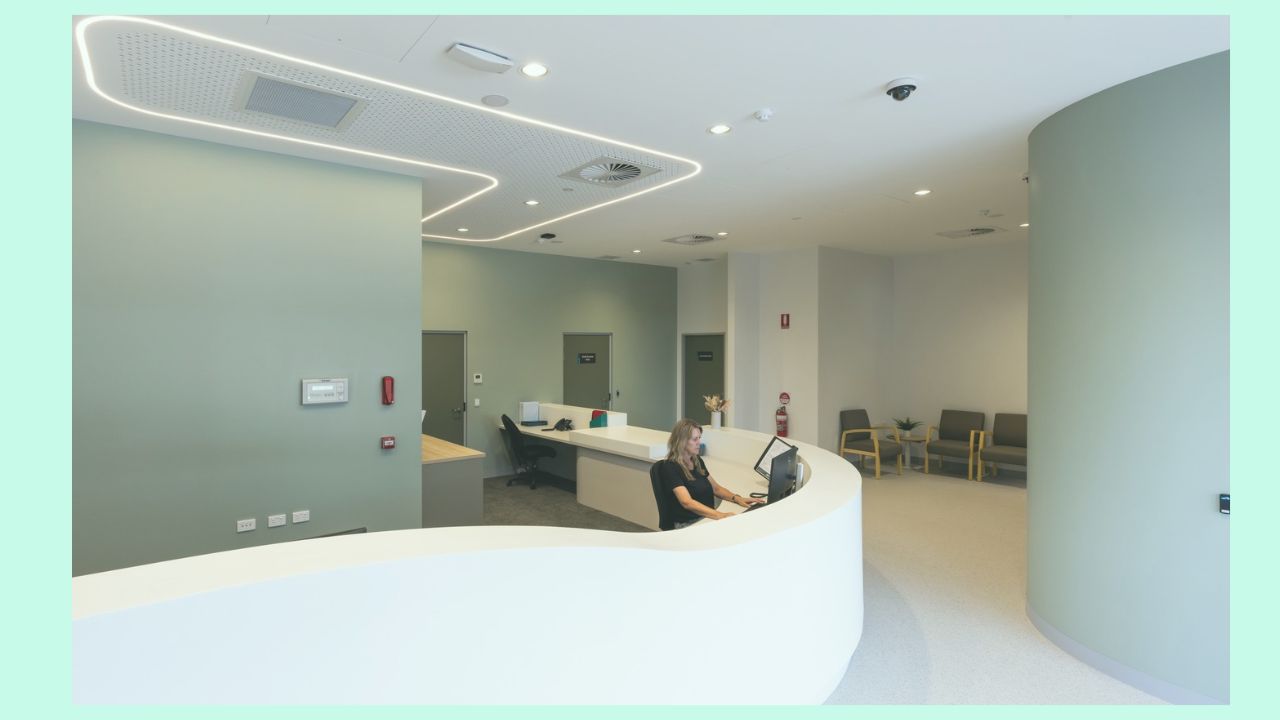
At Nundah Private Hospital, we understand that the first day of admission can feel particularly overwhelming. Our aim is to help patients feel welcomed, informed and supported as they settle into the hospital environment. During the admission process, you can expect to meet members of your care team, receive information about the hospital and participate in an initial assessment to help us better understand your needs. Your treating team will discuss relevant aspects of your care, treatment planning and the support available during your stay. There will also be opportunities to ask questions, raise concerns and discuss anything that may be making the experience more difficult. We recognise that every patient arrives with their own experiences, expectations and concerns, and we aim to provide care that is respectful, compassionate and individualised.
A Different Way to Think About Admission
For some people, being admitted to a mental health hospital can feel like an admission of defeat. But perhaps there's another way to look at it. Taking time away from everyday demands to focus on your mental health isn't giving up. It's recognising that your wellbeing deserves attention and care. Just as we seek hospital treatment for physical health conditions, there are times when our mental health requires more intensive professional support. An inpatient admission can provide an opportunity to step away from some of life's immediate pressures, access specialist care and focus on recovery. It doesn't define who you are, and it doesn't diminish your strength or independence. Seeking help is not a failure. It's a decision to give yourself the opportunity to feel better.
You Don't Have to Navigate This Alone
At Nundah Private Hospital, we know that taking the first step towards mental health treatment can feel difficult. Whether you're preparing for your first admission or returning for further support, it's understandable to have questions, concerns or mixed emotions. Our team is committed to providing a welcoming, compassionate environment where patients feel respected, supported and involved in their care. From the information provided by our Admissions Team before your arrival to the care you receive throughout your stay, our goal is to make your experience as supportive and reassuring as possible. If you're feeling anxious about an upcoming admission, we encourage you to reach out. We're here to answer your questions, help you prepare and make the process as straightforward as possible. Because sometimes the hardest part of getting help is taking that first step. And you don't have to take it alone.
For more information about inpatient mental health care at Nundah Private Hospital, contact our Admissions Team or speak with your referring healthcare professional.