Disordered Eating and Body Image Therapy Brisbane | Food, Mood & Body | Nundah Private
If your relationship with food, your body, or eating is causing significant distress and you have not experienced sufficient improvement with standard treatments, more specialised support may be beneficial.
At Nundah Private Hospital, we provide comprehensive disordered eating and body image therapy within a dedicated private mental health setting through our Food, Mood & Body program. Care is delivered under the guidance of experienced Psychiatrists and supported by a specialist multidisciplinary team, including Psychologists, Dietitians, and allied health professionals, such as music and art therapists with expertise in disordered eating and body image counselling and body image therapy.
We recognise that each person’s relationship with food and their body is unique. Treatment plans are tailored to individual needs and may include inpatient care, structured programs, nutritional counselling, and ongoing outpatient support, providing continuity across every stage of the recovery journey.
In short: Disordered eating and body image therapy at Nundah Private Hospital is delivered through a personalised, psychiatrist-led treatment plan tailored to each individual’s needs. Following a comprehensive assessment, treatment through the Food, Mood & Body program may include Dialectical Behaviour Therapy (DBT), Acceptance and Commitment Therapy (ACT), specialist Dietitian support, body image therapy, support, structured programs, and inpatient care. Services are available to adults with a referral from their GP or treating healthcare practitioner.
What is Disordered Eating and Body Image Treatment?
Disordered eating and body image concerns are serious mental health conditions that affect a person’s relationship with food, eating behaviours, and body image. They include conditions such as anorexia nervosa, bulimia nervosa, binge eating disorder, and other presentations involving disordered eating. Disordered eating and body image concerns can affect people of all genders, ages, and body types, and are associated with significant psychological distress and impact on physical health and daily functioning.
Because disordered eating and body image concerns are complex and can involve both psychological and physical dimensions, effective treatment requires a coordinated, multidisciplinary approach. Rather than addressing food and eating in isolation, specialist disordered eating and body image therapy considers the full picture, including emotions, thought patterns, body image, nutrition and mental health support, and overall wellbeing.
The goal of disordered eating and body image treatment is not only to address eating behaviours but also to support a person to develop a healthier relationship with food and their body, improve overall wellbeing, and build the skills needed for sustainable, long-term recovery.
What Types of Disordered Eating and Body Image Treatment Are Available?
The most appropriate treatment depends on the type and severity of the disordered eating and body image presentation, the person’s physical health, previous treatment responses, and individual circumstances. Following a comprehensive assessment, a Psychiatrist will work with you to find a treatment plan tailored to your needs.
Treatment available through the Food, Mood & Body program may include:
Psychological Therapies (CFT, DBT & ACT)
Evidence-based psychological therapies form the foundation of disordered eating and body image treatment. Compassion-Focused Therapy (CFT) helps individuals identify and change the unhelpful thoughts and behaviours that maintain disordered eating. Dialectical Behaviour Therapy (DBT) builds skills in emotional regulation and distress tolerance, which are particularly relevant where disordered eating is linked to managing difficult emotions. Acceptance and Commitment Therapy (ACT) supports people to develop a more flexible relationship with food-related thoughts and feelings, reducing the impact of anxiety and distress on daily functioning.
Nutritional Counselling and Dietitian Support
Working with a specialist Dietitian is a central part of disordered eating and body image treatment. Nutrition and mental health support helps individuals reconnect and develop a more flexible and sustainable relationship with food, and address any nutritional concerns. Dietitian support is always provided within a therapeutic, non-judgmental framework and is coordinated closely with the broader treatment team.
Body Image Therapy
Body image difficulties are a central feature of many disordered eating and body image concerns and a key focus of the Food, Mood & Body program. Body image therapy works to address distorted or negative perceptions of the body, reduce avoidance behaviours, and support individuals to develop a more compassionate and accepting relationship with their physical self.
Emotional Eating Support
For many people, eating behaviours are closely connected to emotional experiences, including using food to manage stress, anxiety, or difficult feelings. Emotional eating support helps individuals understand the connection between emotions and eating, develop alternative coping strategies, and build greater awareness of emotional triggers.
Medical Monitoring and Medication Management
For individuals whose disordered eating and body image has physical health implications, medical monitoring is an important part of care. A Psychiatrist can also prescribe and manage medication where clinically appropriate, including for comorbid conditions such as depression or anxiety that commonly occur alongside disordered eating and body image concerns.
Inpatient Mental Health Treatment
Inpatient treatment provides 24-hour care in a safe and therapeutic hospital environment, with access to the full multidisciplinary specialist care team. The Food, Mood and Body Image program offers structured, intensive therapeutic support for patients. Inpatient treatment may be recommended when disordered eating is causing significant distress, functional impairment or physical health concerns that require a higher level of support. A hospital admission provides 24-hour care within a safe, therapeutic environment, where individuals have access to Psychiatrists, Psychologists, Dietitians, nursing staff and allied health professionals working together as part of a multidisciplinary team. Inpatient care focuses on stabilisation, comprehensive assessment, intensive psychological treatment, nutritional support and the development of practical skills to support ongoing recovery following discharge.
Disordered Eating and Body Image Treatment Approaches: How They Compare
| Treatment | Approach | Setting | Often Considered When |
|---|---|---|---|
| Compassion-Focused Therapy (CFT) | For people experiencing disordered eating and body image concerns, self-criticism, shame and perfectionism often play a significant role in maintaining unhelpful eating behaviours. CFT helps individuals recognise these patterns, reduce harsh self-judgement, and build healthier ways of responding to difficult emotions. By strengthening self-compassion and emotional resilience, CFT can support lasting behavioural change and complement other evidence-based therapies used in disordered eating treatment. | Outpatient or Inpatient Food, Mood & Body Program | Appropriate for people experiencing high levels of self-criticism, shame, perfectionism or difficulty with self-compassion. CFT can be beneficial for disordered eating, body image concerns, anxiety, depression and trauma-related difficulties, helping individuals develop a kinder, more balanced relationship with themselves. |
| Dialectical Behaviour Therapy (DBT) & Acceptance and Commitment Therapy (ACT) | Builds emotional regulation, distress tolerance, mindfulness and psychological flexibility. | Outpatient or Inpatient Food, Mood & Body Program | Eating behaviours linked to emotional dysregulation; presentations with comorbid mood difficulties or anxiety. |
| Nutritional Counselling (Dietitian) | Supports reconnection with food and addresses nutritional needs within a therapeutic framework. | Outpatient or Inpatient Food, Mood & Body Program | Central component of all disordered eating and body image presentations; always coordinated with psychological treatment |
| Inpatient Mental Health Treatment | Intensive 24-hour hospital-based care with full multidisciplinary specialist care team. Using a combination of Psychology, dietetics, body image skills and skills development. | Private Mental Health Hospital | Inpatient treatment may be recommended when disordered eating is causing significant distress, functional impairment or physical health concerns that require more intensive support. A hospital admission provides 24-hour multidisciplinary care, including psychological treatment, nutritional support and medical monitoring within a safe, therapeutic environment. |
Who Is the Food, Mood & Body Program at Nundah Private Right For?
The Food, Mood & Body program at Nundah Private Hospital is suitable for adults experiencing disordered eating and body image concerns, from early or emerging difficulties through long-standing presentations. Disordered eating and body image concerns affect people across all genders, backgrounds, ages, and body types, and the program is designed to support a broad range of presentations.
You may wish to consider the Food, Mood & Body program if you:
- are experiencing a troubled relationship with food, eating, or your body that is causing significant distress
- have been identified as experiencing anorexia nervosa, bulimia nervosa, binge eating disorder, or another form of disordered eating
- use food to manage emotions, stress, or difficult feelings and find this is becoming harder to control
- have not responded fully to standard outpatient therapy or GP-led treatment
- find that your eating or body image concerns are significantly affecting your daily life, relationships, or physical health
- have a referral for psychiatric assessment and treatment
Disordered Eating and Body Image Treatment at Nundah Private Hospital, Brisbane
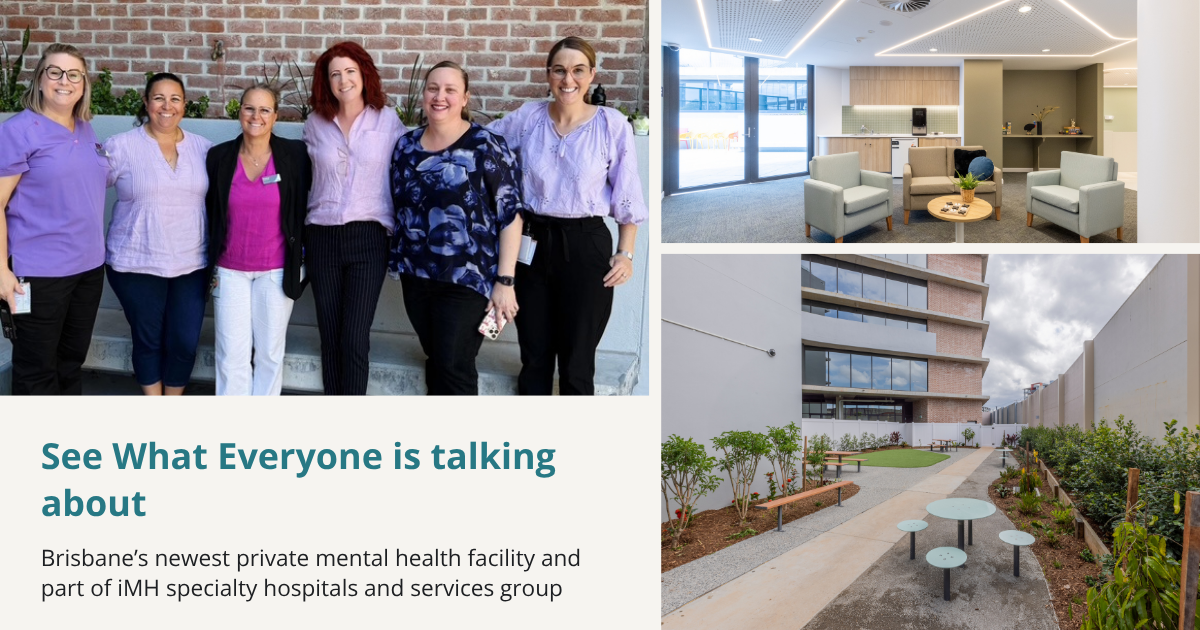
Nundah Private Hospital is a dedicated 58-bed private mental health hospital located in Brisbane’s inner north, approximately 15 minutes from the CBD. The hospital is easily accessible via the Gateway Motorway and Clem Jones Tunnel. It is within walking distance of both train and bus connections, making it a convenient option for patients across South East Queensland.
Our experienced team of Psychiatrists is supported by a large multidisciplinary allied health team, including Psychologists, specialist Dietitians, Social Workers, Occupational Therapists, an Exercise Physiologist, Music and Art Therapists, and Mental Health Nurses. Together, we provide evidence-based, compassionate, and individualised disordered eating and body image therapy tailored to each person’s needs. Allied health services are also available for private referral through our Connected Care Clinic.
Integrated, Multidisciplinary Disordered Eating and Body Image Care
What sets Nundah Private apart is the integration of care across a full continuum of mental health services. Disordered eating and body image therapy is available through inpatient admission, structured day programs, an on-site outpatient clinic, and a Hospital in the Home (HITH) program.
Care is guided by a consistent psychiatrist-led treatment plan, with the flexibility to step care up or down depending on clinical needs and recovery progress. This integrated model supports continuity of care, rather than fragmented or episode-based treatment.
Accessing the Food, Mood & Body Program
Access to the Food, Mood & Body program begins with a referral to a Psychiatrist. Our admissions and assessment team will then contact you to discuss your options, confirm funding arrangements (including private health insurance, DVA, WorkCover, or self-funding), and provide clear information regarding any out-of-pocket costs prior to admission or treatment.
The simplest way to begin is to contact our team to discuss a referral or enquiry.
What to Expect From Your Treatment
- Comprehensive psychiatric assessment. Your treatment journey begins with a detailed assessment by your Psychiatrist. This appointment helps us understand your experiences with food, eating and body image, your mental health history, current challenges, treatment goals, and any previous therapies or treatments you have tried.
- Personalised treatment planning. Based on your assessment, your Psychiatrist will develop an individualised treatment plan alongside you - that may include psychological therapies, Dietitian support, body image therapy, emotional eating support, medical monitoring, medication management, or a combination through the Food, Mood & Body program.
- Active treatment and support. Depending on your circumstances, treatment may be delivered through inpatient admission and the Food, Mood & Body program, day intensive, Hospital in the Home (HITH), and/or an outpatient clinic. Your care is coordinated by an experienced multidisciplinary team working together to support your recovery.
- Multidisciplinary allied health care. You may work with a range of allied health professionals, including a Psychologist, specialist Dietitian, Occupational Therapist, Social Worker, Mental Health Nurse, Exercise Physiologist, and Music or Art Therapist, all contributing to your overall wellbeing and recovery.
- Regular review and treatment adjustments. Recovery from disordered eating and body image concerns is rarely a straight line. Your Psychiatrist and treating team will regularly review your progress and adjust your treatment plan as needed to ensure you continue receiving the most appropriate level of support.
- Discharge planning and ongoing care. As your recovery progresses, we work with you to develop a plan for ongoing wellbeing and relapse prevention. This may include follow-up appointments, referrals to community supports, continued participation in day programs, or ongoing care through our outpatient services and Connected Care Clinic.
- Support from a dedicated Care Coordinator. At Nundah Private, each patient is supported by a Care Coordinator who acts as a central point of contact throughout their treatment journey. Your Care Coordinator helps facilitate communication between your treating team, assists with transitions between services, and ensures your care remains coordinated as your needs change over time.
At Nundah Private Hospital, our goal is to provide seamless, integrated care that supports you at every stage of your recovery journey.
Side Effects and Safety
The potential side effects and risks associated with disordered eating and body image treatment vary depending on the type of treatment recommended. Your Psychiatrist will discuss the benefits, risks, and alternatives of any proposed treatment, ensuring you have the information needed to make an informed decision about your care.
Psychological therapies, day programs, and allied health interventions, including Dietitian support and body image therapy, are generally well tolerated and focus on building skills, developing insight, and supporting long-term recovery. Nutritional support is provided in a therapeutic, non-judgmental environment and is carefully coordinated with your psychological treatment.
Where medication is recommended, your Psychiatrist will discuss potential side effects and monitor your response throughout treatment. At Nundah Private Hospital, patient safety is central to every stage of care. Your team will work closely with you, monitor your progress, and ensure your treatment remains appropriate as your needs evolve.
How to Get Started: Referral and Next Step
- Talk to your GP or treating doctor. The first step is to discuss your concerns with your GP or treating healthcare practitioner. They can provide a referral to a Psychiatrist with admitting rights to Nundah Private Hospital or refer you to our Outpatients Clinic. You can also contact our team directly on 07 3524 5555 for guidance on the referral process. Find out more on our getting a referral page.
- Our admissions team will be in touch. Once we receive your referral, our Admissions and Assessment Team will contact you to discuss your needs, undertake a confidential phone assessment, and gather any information required to support your admission or treatment planning.
- Review by a Psychiatrist. Your referral and assessment information will be reviewed by a Psychiatrist, and the team will be in touch to advise the outcome and guide you through the next steps, including discussing private health insurance, DVA, WorkCover, or self-funded options, and outlining any potential out-of-pocket costs. From your first contact, we work to coordinate your care and make accessing treatment as straightforward as possible.
Information for GPs and referrers: GPs, Psychiatrists, and other medical specialists can refer directly to our Admissions Team. We welcome enquiries and can assist with identifying the most appropriate treatment pathway for your patients. Please contact our Admissions Team on 1800 231 444 or see our referral process page for full details.
If you or someone you know is struggling with disordered eating and body image concerns and needs support, contact the Butterfly Foundation on 1800 33 4673, Lifeline on 13 11 14, or call 000 in an emergency.
Frequently Asked Questions
What is disordered eating and body image therapy?
Disordered eating and body image therapy refers to a range of evidence-based approaches used to address the psychological, emotional, nutritional, and physical dimensions of disordered eating. Treatment is most effective when coordinated by a multidisciplinary team guided by a Psychiatrist, and may include psychological therapies such as CFT, DBT, and ACT, specialist Dietitian support, body image therapy, emotional eating support, and structured day or inpatient programs.
What is the Food, Mood & Body program at Nundah Private?
The Food, Mood & Body program is the specialist disordered eating and body image day program at Nundah Private Hospital. It provides structured, intensive therapeutic support combining evidence-based psychological treatment, nutrition and mental health support all within a private mental health hospital setting with psychiatrist-led oversight.
What disordered eating and body image presentations does the program support?
The Food, Mood & Body program supports adults with a range of presentations, including anorexia nervosa treatment, bulimia nervosa treatment, binge eating disorder treatment, and other forms of disordered eating or troubled relationships with food and body image. The program also supports people whose eating difficulties are linked to emotional regulation, anxiety, or other mental health conditions. A comprehensive assessment will determine the most appropriate care pathway.
Do I need a referral for disordered eating and body image therapy in Brisbane?
Yes. Access to the Food, Mood & Body program and other specialist services at Nundah Private Hospital requires a referral from a GP or treating healthcare practitioner. Our team can assist you with understanding the referral process. Visit our getting a referral page for more information.
What is the difference between a disordered eating and body image specialist and a Psychiatrist?
A Psychiatrist is a medical doctor who can diagnose disordered eating and body image concerns, prescribe and manage medication, provide medical oversight, and coordinate complex care. A disordered eating and body image specialist provides evidence-based therapies such as CFT, DBT, and ACT but does not prescribe medication. At Nundah Private, Psychiatrists and Psychologists work together within a specialist multidisciplinary specialist care team.
How much does disordered eating and body image treatment cost at Nundah Private Hospital?
Costs vary depending on the treatment recommended and your individual funding arrangements. Most inpatient admissions, day programs, and other hospital-based treatments are covered by private health insurance when you have the appropriate level of hospital cover. Treatment may also be accessed through DVA, WorkCover, or self-funding. Our Admissions and Assessment Team will discuss your funding options and outline any potential out-of-pocket expenses before treatment begins.
Take the Next Step
Disordered eating and body image concerns can affect every aspect of life, your relationship with food, your body, your emotions, and your ability to connect with the people and activities that matter most to you. Whether you are seeking help for the first time, looking for a more intensive level of support, or exploring specialist disordered eating and body image therapy in Brisbane, the right support can make a meaningful difference.
At Nundah Private Hospital, we provide evidence-based disordered eating and body image therapy within a dedicated private mental health setting through our Food, Mood & Body program. Care is delivered by experienced Psychiatrists, Care Coordinators, specialist Dietitians, Psychologists, and a multidisciplinary allied health team, within an integrated model designed to support recovery at every stage.
Wherever you are in your journey, our team is committed to helping you access the right care at the right time, with continuity and compassion every step of the way.
To learn more about the Food, Mood & Body program, or to discuss a referral for yourself or someone you care about, contact our team today.
How to access Disordered Eating
Patients interested in therapy will need a referral to a Disordered Eating and Body Image Therapy to Nundah Private Hospital.
You can contact our Admissions Team via our details below or access our online forms:
Phone: 1800 231 444
Email: Ndh.admissions@imh.com.au