
PTSD and Trauma Treatment Brisbane | EMDR Therapy | Nundah Private
Specialist PTSD and trauma care in Brisbane, with personalised treatment and compassionate support to help you move towards recovery.
If you are living with PTSD or complex trauma and looking for specialist treatment in Brisbane, Nundah Private Hospital provides a dedicated, psychiatrist-led program built around evidence-based, trauma-informed care.
At Nundah Private Hospital, our PTSD and trauma treatment program is delivered through an integrated model that combines individual psychology, evidence-based trauma therapies including group EMDR (Eye Movement Desensitisation and Reprocessing), structured group programs, psychiatric oversight, and allied health support -- available across inpatient, day program, and outpatient settings.
EMDR is one of the most extensively researched treatments for PTSD available and is recommended as a first-line therapy by the Australian Psychological Society and leading international clinical guidelines. At Nundah Private, group EMDR is delivered by trained Psychologists as part of a comprehensive, coordinated trauma treatment plan tailored to each person’s history, needs, and recovery goals.
In short: The PTSD and trauma program at Nundah Private Hospital is delivered through a personalised, psychiatrist-led treatment plan. Following a comprehensive assessment, treatment may include group EMDR therapy, trauma-focused individual psychology, trauma-informed group programs, medication management where appropriate, and integrated multidisciplinary care. Services are available to adults with a referral from their GP or treating healthcare practitioner.
What is PTSD?
Post-Traumatic Stress Disorder (PTSD) is a mental health condition that can develop after exposure to a traumatic event or series of events. Symptoms include intrusive memories or flashbacks, nightmares, avoidance of trauma-related triggers, negative changes in thinking and mood, and heightened arousal or reactivity. PTSD can significantly affect daily functioning, relationships, and quality of life.
PTSD can develop after a single traumatic event (such as an accident, assault, or natural disaster) or after prolonged, repeated trauma (such as childhood abuse, domestic violence, or sustained occupational exposure). When symptoms develop from ongoing or repeated trauma -- particularly in early life -- this is often referred to as complex PTSD (cPTSD), which may involve additional features such as difficulty regulating emotions, a deeply negative sense of self, and relational difficulties.
What causes PTSD and complex PTSD?
PTSD and complex PTSD can develop in response to a wide range of traumatic experiences. Not everyone who experiences trauma will develop PTSD, and individual risk is influenced by factors including the nature and duration of the trauma, prior trauma history, social support, and individual vulnerability.
Common causes include:
- Serious accidents, injury, or medical trauma
- Physical, sexual, or emotional assault
- Childhood abuse or neglect
- Domestic or family violence
- Natural disasters, war, or community violence
- Occupational trauma (emergency services, defence personnel, healthcare workers)
- Traumatic loss or grief
Complex PTSD specifically tends to develop after prolonged, repeated trauma -- particularly where the person could not easily escape, such as childhood abuse, prolonged domestic violence, or captivity. While PTSD and cPTSD share many features, cPTSD also involves persistent difficulties with emotion regulation, a deeply negative self-perception, and relational difficulties that often require more intensive, longer-term treatment.
How is PTSD treated?
Evidence-based treatment for PTSD typically involves trauma-focused psychological therapies, either alone or in combination with medication. The most strongly supported first-line treatments are EMDR therapy and trauma-focused Cognitive Behavioural Therapy (TF-CBT), both of which are recommended in Australian and international clinical guidelines for PTSD.
At Nundah Private Hospital, PTSD treatment is not a single fixed pathway. Following a comprehensive psychiatric assessment, each person’s treatment plan is tailored to their presentation, trauma history, current symptoms, and recovery goals. Treatment may include one or more of the following:
- Group EMDR therapy (or individual available through Connected Care Clinic)
- Trauma-informed group programs covering emotion regulation, grounding, and wellbeing skills
- Medication management for co-occurring conditions such as depression or anxiety
- Allied health support including Occupational Therapy and Exercise Physiology
- A structured day program or inpatient admission where a higher level of care is clinically indicated
What is EMDR therapy?
EMDR (Eye Movement Desensitisation and Reprocessing) is an evidence-based psychological therapy used to treat PTSD and trauma-related conditions. It uses guided bilateral stimulation -- typically side-to-side eye movements -- while the person focuses on a distressing memory. This process helps the brain reprocess traumatic memories so they lose their emotional intensity and are stored in a less disturbing way.
EMDR was developed by psychologist Dr Francine Shapiro in the late 1980s and has since become one of the most widely researched and recommended treatments for PTSD available. It is endorsed as a first-line PTSD treatment by the World Health Organisation (WHO), the Australian Psychological Society, and leading national and international clinical guidelines.
Unlike some therapies that require detailed verbal retelling of traumatic events, EMDR works through bilateral stimulation while the person holds the memory in mind -- which many people find less overwhelming than traditional talk-based approaches to trauma processing. At Nundah Private we offer this through group therapy and also individually through Connected Care Clinic.
How does EMDR work?
EMDR is based on the theory that traumatic memories can become stuck in the nervous system in a way that prevents normal processing -- causing them to be re-experienced as flashbacks, intense emotional reactions, or physical sensations triggered by reminders of the original event. EMDR helps the brain reprocess these memories so they are integrated without the same level of distress.
What is EMDR used to treat?
EMDR was originally developed for PTSD and remains the most evidence-supported trauma treatment available. It is endorsed as a first-line treatment for PTSD by the WHO and the Australian Psychological Society, and is also used to treat a broad range of trauma-related and anxiety presentations:
- PTSD and complex PTSD (cPTSD)
- Single-incident trauma (accidents, assault, medical trauma)
- Childhood and developmental trauma
- Anxiety and phobias with a traumatic origin
- Grief and traumatic loss
- Occupational trauma (emergency services, defence, healthcare workers)
At Nundah Private, EMDR can be integrated within a broader treatment plan -- not delivered in isolation. Where co-occurring conditions such as depression or complex emotional dysregulation requiring DBT are identified, these are addressed as part of the same coordinated plan.
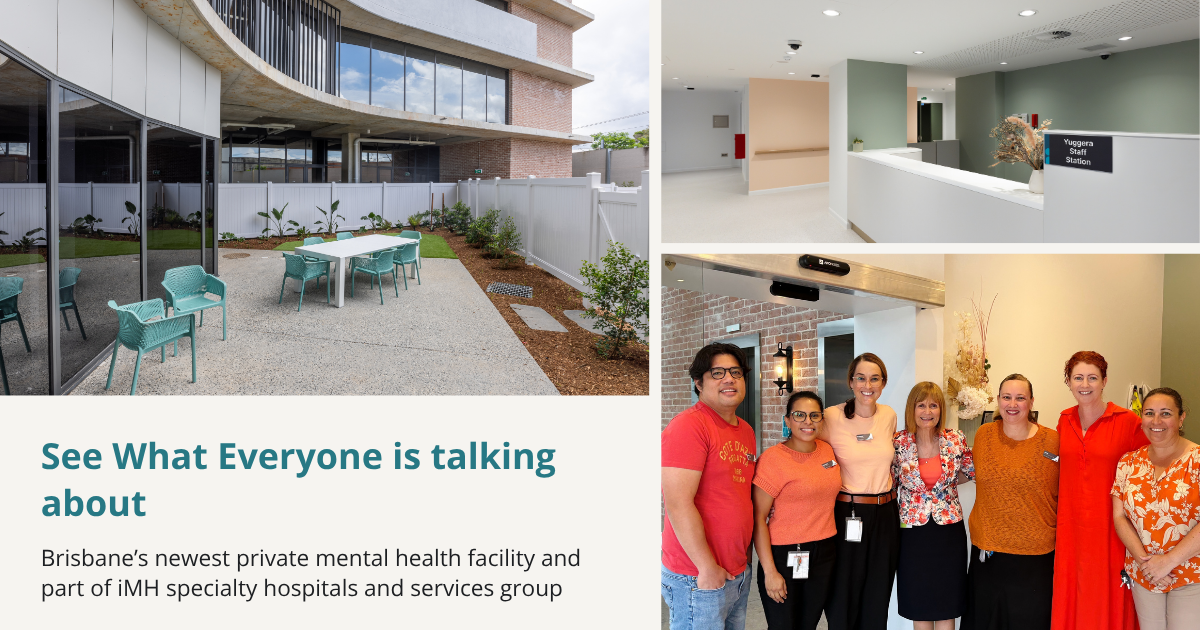
PTSD and trauma treatment at Nundah Private Hospital, Brisbane
Nundah Private Hospital is a dedicated 58-bed private mental health hospital in Brisbane’s inner north, approximately 15 minutes from the CBD. We are easily accessible via the Gateway Motorway and Clem Jones Tunnel, and within walking distance of train and bus connections -- making specialist PTSD treatment and EMDR therapy accessible to patients across South East Queensland.
Our PTSD and trauma treatment team includes experienced Psychiatrists, EMDR-trained Psychologists, Social Workers, Occupational Therapists, an Exercise Physiologist, Music and Art Therapists, and Mental Health Nurses. Together, we provide evidence-based, trauma-informed care in a dedicated private hospital setting. Allied health services are also available for private referral through our Connected Care Clinic.
Trauma-informed, multidisciplinary care
What distinguishes the trauma program at Nundah Private is the combination of active psychiatric oversight with structured, evidence-based trauma therapy. Your Psychiatrist remains involved throughout treatment, ensuring the plan is clinically coordinated and adapted as your needs evolve. Group EMDR and other trauma therapies are delivered by trained Psychologists within a broader, psychiatrist-led treatment plan -- not as standalone sessions.
Treatment is available across multiple levels of care -- including inpatient admission, structured day programs, an on-site outpatient clinic, and a Hospital in the Home (HITH) program. This stepped model means care intensity can be increased or reduced based on your recovery progress and clinical need.
Accessing the PTSD and trauma program
Access to the program begins with a referral to a Psychiatrist. Our Admissions and Assessment Team will contact you to discuss your needs, confirm funding arrangements (private health insurance, DVA, WorkCover, or self-funding), and provide clear information about any out-of-pocket costs before treatment begins. The simplest way to begin is to contact our team directly.
Who is the PTSD and trauma program right for?
The PTSD and trauma program at Nundah Private is suitable for adults experiencing significant post-traumatic symptoms that are affecting their daily life, relationships, work, or wellbeing. The most appropriate level of care is determined following a comprehensive psychiatric assessment.
You may wish to consider the program if you:
- Have been diagnosed with PTSD or complex PTSD
- Are experiencing intrusive memories, flashbacks, nightmares, or significant avoidance related to a traumatic experience
- Have trauma symptoms that are affecting your ability to work, maintain relationships, or function day-to-day
- Have tried standard therapy or medication without lasting relief
- Have been specifically recommended EMDR or trauma-focused therapy by a GP, Psychiatrist, or treating therapist
- Are a veteran, emergency services worker, or have experienced occupational trauma
- Have a co-occurring condition such as depression or anxiety connected to your trauma history
- Have a referral from a GP or treating healthcare practitioner for psychiatric assessment and trauma treatment
What to expect from your treatment
Comprehensive psychiatric assessment. Your treatment begins with a thorough assessment by your Psychiatrist, covering your trauma history, previous treatments, current symptoms, and recovery goals. This assessment forms the foundation of your personalised treatment plan.
Personalised trauma treatment planning. Your Psychiatrist and treating team will recommend the most appropriate combination of EMDR, trauma-focused psychology, group programs, medication, and allied health support based on your individual assessment.
EMDR and trauma-focused therapy. If EMDR is recommended, you will work with a trained Psychologist through the structured 8-phase EMDR protocol at a carefully paced clinical pace. Stabilisation and grounding skills are always established before any trauma processing begins.
Trauma-informed group programs. Depending on your treatment plan, you may participate in structured group programs covering emotion regulation, grounding skills, trauma-informed wellbeing practices, and other evidence-based skills relevant to your recovery.
Allied health and holistic support. Treatment may also include Occupational Therapy, Exercise Physiology, or Music and Art Therapy -- all delivered within a trauma-informed framework by qualified clinicians.
Regular review and treatment adjustments. Your Psychiatrist and treating team will review your progress regularly and adjust the treatment plan as your needs evolve, including stepping care up or down as appropriate.
Support from a dedicated Care Coordinator. Each patient at Nundah Private is supported by a Care Coordinator who acts as your central point of contact throughout treatment -- facilitating communication between your treating team, assisting with transitions between services, and ensuring your care remains coordinated as your needs change over time.
Side effects and safety
EMDR and trauma-focused therapy are generally well tolerated, but it is important to understand that processing traumatic memories can feel emotionally and physically intense at times. This is a normal part of the therapeutic process. Your treating team will pace trauma processing carefully, ensure stabilisation skills are in place first, and provide support within and between sessions.
Where medication is recommended as part of your treatment plan, your Psychiatrist will discuss potential side effects and monitor your response throughout treatment. Your safety is reviewed regularly, and treatment is never rushed -- your readiness and stability always come first.
How to get started: referral and next steps
Talk to your GP or treating doctor. The first step is to discuss a PTSD referral with your GP or treating healthcare practitioner. They can refer you to a Psychiatrist with admitting rights to Nundah Private Hospital or to our Outpatients Clinic. You can also contact our team directly on 07 3524 5555 for guidance on the referral process. Find out more on our getting a referral page.
Our admissions team will be in touch. Once we receive your referral, our Admissions and Assessment Team will contact you to discuss your needs, undertake a confidential phone assessment, and gather information to support your treatment planning.
Review by a Psychiatrist. Your referral and assessment information will be reviewed by a Psychiatrist. The team will advise on the outcome and guide you through next steps, including discussing funding options and any out-of-pocket costs before treatment begins.
Information for GPs and referrers: GPs, Psychiatrists, and other medical specialists can refer directly to our Admissions Team for PTSD and trauma treatment. Please contact our Admissions Team on 1800 231 444 or see our referral process page for full details.
If you or someone you know is in crisis, contact Lifeline on 13 11 14, Beyond Blue on 1300 22 4636, or call 000 in an emergency.
Frequently Asked Questions
What is PTSD and how is it treated?
PTSD (Post-Traumatic Stress Disorder) is a mental health condition that can develop after a traumatic event or series of events. Symptoms include flashbacks, nightmares, avoidance, hypervigilance, and negative changes in mood and thinking. It is treated with evidence-based trauma therapies -- most commonly EMDR or trauma-focused CBT -- alongside psychiatric assessment and medication management where appropriate.
What is EMDR therapy and does it work for PTSD?
EMDR (Eye Movement Desensitisation and Reprocessing) is an evidence-based psychological therapy that uses guided bilateral stimulation to help the brain reprocess traumatic memories. It is one of the most extensively researched treatments for PTSD available and is endorsed as a first-line treatment by the WHO, the Australian Psychological Society, and leading international clinical guidelines. Research consistently shows that EMDR significantly reduces PTSD symptoms and can produce lasting results. We offer this to inpatients as group therapy, and it can also be accessed privately through Connected Care Clinic.
What is the difference between PTSD and complex PTSD?
PTSD typically develops after one or more discrete traumatic events, such as an accident or assault. Complex PTSD (cPTSD) develops after prolonged or repeated trauma -- particularly in early life or situations where escape was difficult -- such as childhood abuse, ongoing domestic violence, or captivity. In addition to core PTSD symptoms, cPTSD also involves persistent difficulties with emotion regulation, a negative self-perception, and significant challenges in relationships. Both are treated at Nundah Private.
Do I need a referral for PTSD treatment in Brisbane?
Yes. Access to the PTSD and trauma program at Nundah Private Hospital requires a referral from a GP or treating healthcare practitioner to a Psychiatrist. Visit our referral page for more information.
Is EMDR covered by private health insurance in Australia?
EMDR delivered as part of a private hospital group inpatient or day program may be covered under your private health insurance, subject to your level of cover and waiting periods. DVA and WorkCover funding may also be available for eligible patients. See our payment information page for full details.
What is trauma-informed care?
Trauma-informed care is an approach to clinical treatment that recognises the widespread impact of trauma and actively integrates this understanding into every aspect of care. A trauma-informed team understands how trauma affects the brain, body, and behaviour; prioritises safety, trust, and choice in all interactions; and ensures the person’s sense of control and dignity is maintained throughout treatment. At Nundah Private, trauma-informed principles underpin every level of our PTSD and trauma program.
Take the next step
PTSD and trauma can affect every part of life -- sleep, relationships, work, and the ability to feel safe in day-to-day situations. Whether you are seeking help for the first time, looking for a more structured or specialist program, or navigating complex trauma alongside other mental health conditions, the right treatment can make a genuine difference.
At Nundah Private Hospital, we provide specialist PTSD treatment in Brisbane through an integrated, psychiatrist-led model. Care is delivered by experienced Psychiatrists, Psychologists, a dedicated Care Coordinator, and a specialist multidisciplinary allied health team -- within a trauma-informed model designed to support lasting recovery.
To learn more about our PTSD and trauma program, or to discuss a referral for yourself or someone you care about, contact our team today.
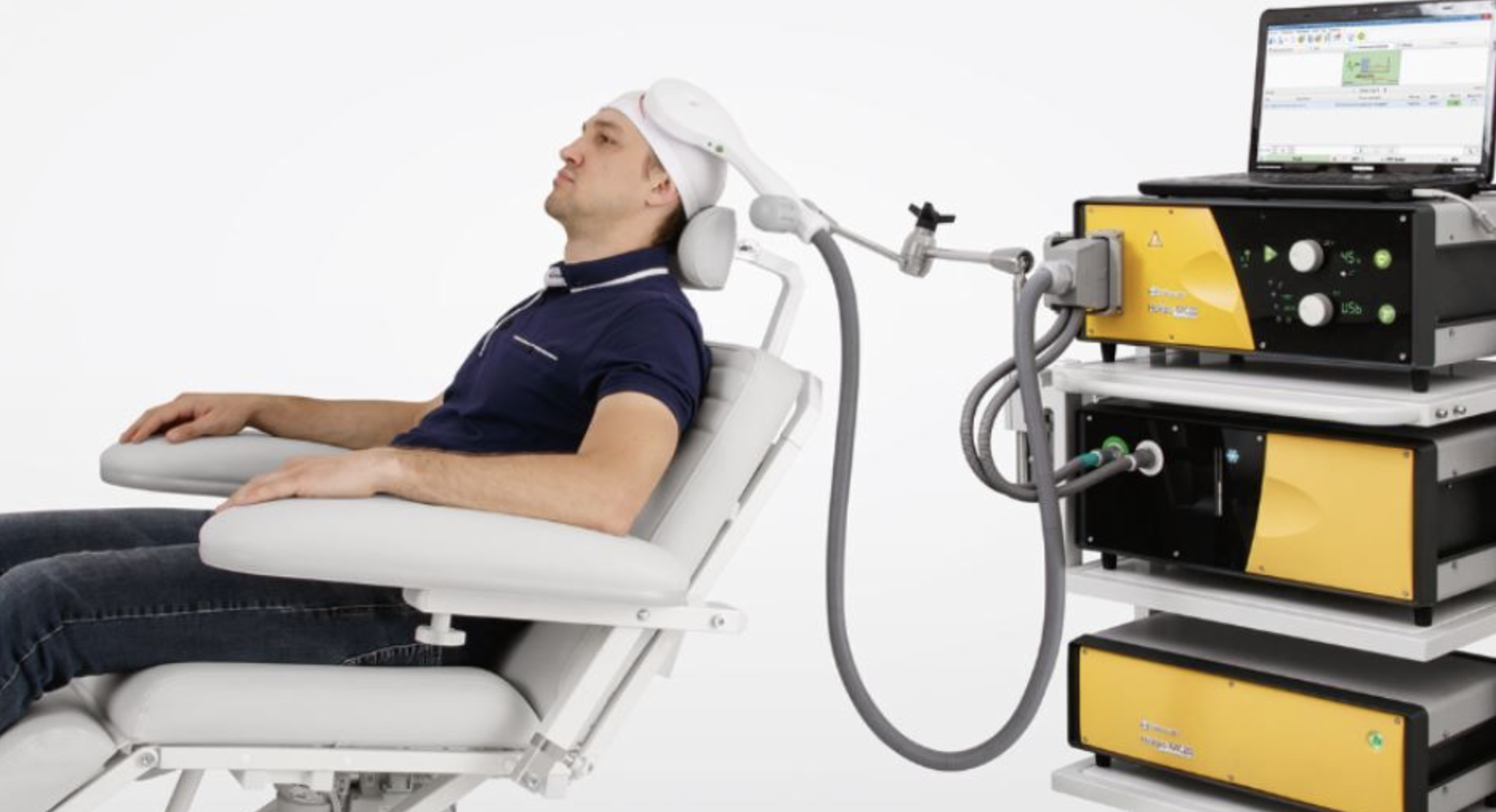
How to access PTSD and Trauma Treatment Brisbane
You can contact our Admissions Team via our details below or access our online forms:
Phone: 1800 231 444
Email: Ndh.admissions@imh.com.au