Dialectical Behaviour Therapy (DBT) Brisbane | DBT Program | Nundah Private
Dialectical Behaviour Therapy (DBT) has been recommended and you are looking for a structured, psychiatrist-led DBT program in Brisbane, Nundah Private Hospital offers specialist DBT treatment within a dedicated private mental health setting.
At Nundah Private Hospital, our Dialectical Behaviour Therapy (DBT) Program provides evidence-based treatment through an integrated model for adults who experience difficulties managing intense emotions, maintaining relationships, coping with distress, or regulating their responses to life's challenges.
Our experienced multidisciplinary team provides a supportive, compassionate environment where participants can learn practical skills to improve emotional wellbeing, increase resilience, and build a more fulfilling life.
DBT is a structured therapy that combines acceptance with practical strategies for change. Developed to help people experiencing emotional dysregulation, it is now widely recognised as an effective treatment for a range of mental health conditions. It is one of the most rigorously researched psychological therapies available, and the only evidence-based treatment specifically developed for BPD. It combines individual therapy, group-based skills training, and between-session coaching to help people build skills across four core areas: mindfulness, distress tolerance, emotional regulation, and interpersonal effectiveness.
In short: The DBT program at Nundah Private Hospital is delivered through a personalised, psychiatrist-led treatment plan. Following a comprehensive assessment, treatment may include individual DBT therapy, DBT skills training groups, between-session coaching support, medication management, and integrated multidisciplinary care. Services are available to adults with a referral from their GP or treating healthcare practitioner.
What is Dialectical Behaviour Therapy (DBT)?
Dialectical Behaviour Therapy (DBT) is a structured, evidence-based psychological treatment that helps people manage intense emotions, improve relationships, and develop healthier ways of coping with stress. Originally developed to treat borderline personality disorder (BPD), DBT is now widely used for a range of mental health conditions, including emotional dysregulation, self-harm, anxiety, depression, disordered eating, and post-traumatic stress disorder (PTSD).
At its core, DBT helps people learn practical skills while also encouraging self-acceptance and meaningful personal change.
The word dialectical refers to balancing two ideas that can seem opposite but are both true. In DBT, this often means learning to accept yourself as you are while also working towards positive change.
DBT combines cognitive behavioural therapy (CBT) techniques with mindfulness and acceptance-based strategies. Treatment focuses on helping people understand their emotions, respond to difficult situations more effectively, and build a life that feels meaningful and fulfilling.
What is DBT Used to Treat?
DBT was originally developed for Borderline Personality Disorder (BPD) and remains the most strongly evidence-based treatment for BPD available. Research consistently shows it reduces self-harm, suicidal behaviour, emotional dysregulation, and hospitalisation rates for people with BPD. It is also recommended for a broader range of presentations where emotional dysregulation and impulsivity are central features.
Conditions and presentations for which DBT is commonly recommended include:
- Borderline Personality Disorder (BPD) and other personality disorders
- Chronic emotional dysregulation and mood instability
- Self-harm and suicidal behaviour/thoughts (non-crisis)
- Complex PTSD and trauma-related presentations
- Depression
- Anxiety
- Interpersonal relationship difficulties
- Anger management and impulsive behaviours
- Disordered eating and body image concerns where emotional dysregulation is a central feature
- Substance use where emotional regulation difficulties are a contributing factor
At Nundah Private Hospital, DBT is delivered within an integrated model of care. Where a co-occurring condition is identified alongside the primary presentation, treatment is coordinated to address both within a single, cohesive plan -- rather than treating them as separate episodes of care.
What Does a DBT Program Involve?
A structured DBT program typically involves four core components that work together to support skill development and lasting change. At Nundah Private, the DBT program is tailored to the individual’s clinical needs and delivered across inpatient, day program, and outpatient settings. Components of the program may include:
The Four DBT Skills Modules
DBT skills training is organised around four modules, each targeting a different dimension of emotional and interpersonal functioning:
- Mindfulness. The foundation of all DBT skills. Mindfulness develops awareness of thoughts, feelings, and sensations in the present moment, without judgement. It supports more effective use of all other skills modules. Learn to improve self-awareness, and respond thoughtfully rather than reacting automatically.
- Distress Tolerance. Skills for managing crises and overwhelming emotions without making a difficult situation worse. Focuses on accepting reality as it is and surviving painful moments without acting impulsively.
- Emotional Regulation. Understanding and changing emotional responses. This module helps people identify emotions, reduce vulnerability to intense emotional reactions, and build a life that supports emotional stability over time.
- Interpersonal Effectiveness. Skills for building and maintaining healthy relationships, asking for what you need, saying no, and maintaining self-respect. Particularly relevant for people whose emotional dysregulation affects their relationships and social functioning.
Medication Management
Where medication is clinically appropriate -- for example, to address a co-occurring condition such as depression or anxiety -- a Psychiatrist can prescribe and manage medication as part of the broader DBT treatment plan. Medication is not a standalone treatment for personality disorders or emotional dysregulation but can support engagement with therapy and address specific co-occurring mental health symptoms.
DBT Compared to Other Therapies: How They Differ
| Treatment | Approach | Setting | Often Considered When |
|---|---|---|---|
| Dialectical Behaviour Therapy (DBT) | Building skills to manage intense emotions while balancing acceptance and change. Emotional regulation, distress tolerance, interpersonal effectiveness, and mindfulness | • Mindfulness skills • Emotion regulation • Distress tolerance • Interpersonal effectiveness • Structured, skills-based approach • Individual therapy and/or skills groups | BPD, chronic emotional dysregulation, self-harm and suicidal thoughts/behaviours, Emotional dysregulation, Impulsivity,disordered eating, Substance use disorders complex trauma; |
| CBT (Cognitive Behavioural Therapy) | Identifying and changing unhelpful thoughts and behaviours that contribute to emotional distress. | • Goal-oriented and structured • Focus on the present • Cognitive restructuring • Behavioural experiments • Homework between sessions • Strong evidence base | Anxiety, depression, OCD, and phobias; panic disorders, social anxiety, insomnia, chronic pain and health anxieties, and often a first-line therapy before DBT is recommended |
Who Is the DBT Program at Nundah Private Right For?
The DBT program at Nundah Private Hospital is suitable for adults who have been diagnosed with BPD or another personality disorder, or who are experiencing significant emotional dysregulation that is affecting their daily life, relationships, and overall wellbeing. The most appropriate level of care is determined following a comprehensive psychiatric assessment.
You may wish to consider the DBT program at Nundah Private if you:
- have been diagnosed with Borderline Personality Disorder (BPD) or another personality disorder
- experience intense or rapidly shifting emotions that feel difficult or impossible to manage
- have a pattern of self-harm, crisis episodes, or significant difficulties in relationships
- have tried standard therapy such as CBT or counselling without lasting results
- have been specifically recommended DBT by a GP, Psychiatrist, or treating therapist
- have a co-occurring condition such as depression, complex trauma, or disordered eating where DBT is part of the recommended treatment plan
- have a referral from a GP or treating healthcare practitioner for psychiatric assessment and treatment
The DBT program at Nundah Private is not a single fixed pathway. Following assessment, your Psychiatrist will recommend the most appropriate treatment structure -- whether outpatient sessions, a structured day program, or inpatient care -- based on your clinical needs and current circumstances.
DBT and Personality Disorder Treatment at Nundah Private Hospital, Brisbane
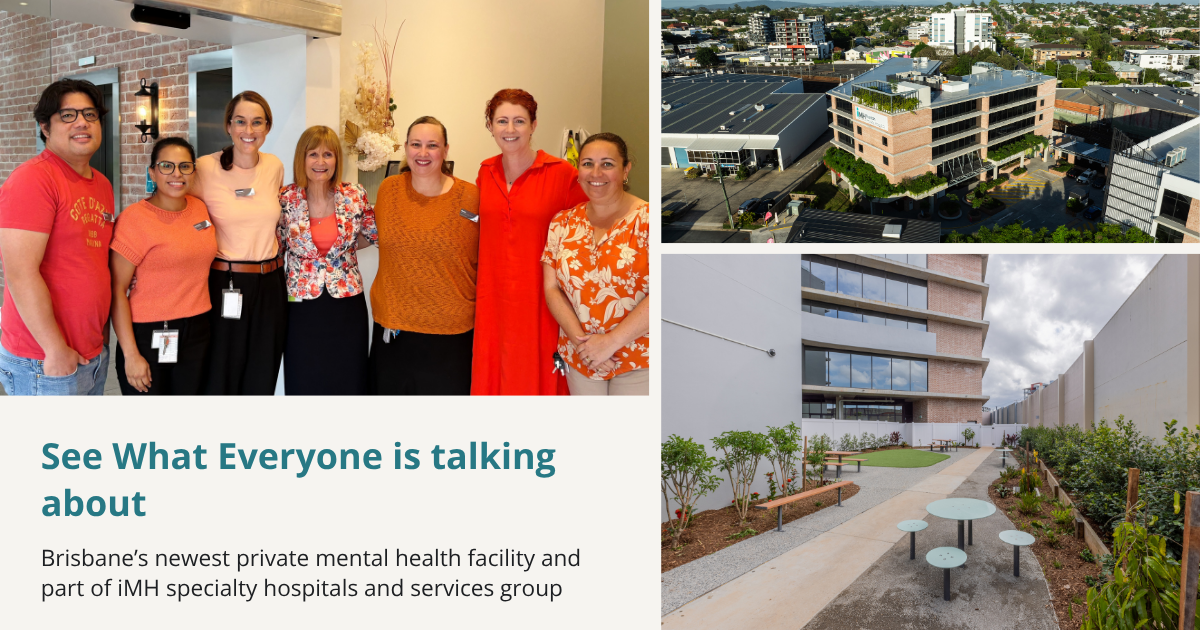
Nundah Private Hospital is a dedicated 58-bed private mental health hospital located in Brisbane’s inner north, approximately 15 minutes from the CBD. The hospital is easily accessible via the Gateway Motorway and Clem Jones Tunnel, and is within walking distance of both train and bus connections, making it a practical option for patients across South East Queensland.
Our experienced team of Psychiatrists is supported by a large multidisciplinary allied health team, including Psychologists trained in DBT, Social Workers, Occupational Therapists, an Exercise Physiologist, Music and Art Therapists, and Mental Health Nurses. Together, we provide evidence-based, compassionate DBT and personality disorder treatment in a private and therapeutic environment. Allied health services are also available for private referral through our Connected Care Clinic.
Integrated, multidisciplinary DBT care
What distinguishes the DBT program at Nundah Private is the integration of psychiatric oversight with structured DBT delivery. Your Psychiatrist remains actively involved throughout treatment, ensuring the plan is clinically coordinated and adjusted as your needs evolve. DBT is available across multiple levels of care, including inpatient admission, structured day programs, an on-site outpatient clinic, and a Hospital in the Home (HITH) program.
Where co-occurring conditions are identified -- such as depression, complex trauma, or disordered eating -- these are addressed as part of a single, cohesive treatment plan, not separately. Our stepped model of care also means treatment intensity can be increased or reduced depending on your clinical needs and recovery progress.
Accessing the DBT program at Nundah Private
Access to the DBT program begins with a referral to a Psychiatrist. Your GP may have discussed with you the options to undergo treatment at an inpatient, day patient or outpatient and may indicate on the referral your preference. Alternatively, you may wish to discuss these options with our Admissions Team depending on the level of support you need. Our Admissions and Assessment Team will confirm funding arrangements (including private health insurance, DVA, WorkCover, or self-funding), and provide clear information regarding any out-of-pocket costs prior to admission or treatment.
The simplest way to begin is to contact our team to discuss a referral or enquiry.
Side effects and safety
Dialectical Behaviour Therapy (DBT) is considered a safe and effective psychological treatment. It has been extensively researched and is recommended in clinical guidelines for people experiencing emotional dysregulation, borderline personality disorder (BPD), self-harm, and a range of other mental health conditions.
Unlike medications, DBT does not have physical side effects. However, as with any form of psychotherapy, it can sometimes bring up difficult emotions or temporary discomfort as people begin to explore challenging experiences and learn new ways of coping. Our team will support you through difficult moments and help you apply distress tolerance skills when it may be challenging.
Where medication is recommended as part of your treatment plan, your Psychiatrist will discuss potential side effects and monitor your response throughout treatment. At Nundah Private Hospital, patient safety is central to every stage of care. Your treating team will regularly review your progress and safety, and can adjust treatment at any point if your needs change.
How to Get Started: Referral and Next Steps
- Talk to your GP or treating doctor. The first step is to discuss a DBT referral with your GP or treating healthcare practitioner. They can refer you to a Psychiatrist with admitting rights to Nundah Private Hospital or to our Outpatients Clinic. You can also contact our team directly on 07 3524 5555 for guidance on the referral process. Find out more on our getting a referral page.
- Our admissions team will be in touch. Once we receive your referral, our Admissions and Assessment Team will contact you to discuss your needs, undertake a confidential phone assessment, and gather any information needed to support your treatment planning.
- Review by a Psychiatrist. Your referral and assessment information will be reviewed by a Psychiatrist. The team will advise on the outcome and guide you through next steps, including discussing funding options and any potential out-of-pocket costs before treatment begins. From your first contact, we work to make accessing the DBT program as straightforward as possible.
Information for GPs and referrers: GPs, Psychiatrists, and other medical specialists can refer directly to our Admissions Team for DBT and personality disorder treatment. We welcome referrals and can assist with identifying the most appropriate care pathway for your patient. Please contact our Admissions Team on 1800 231 444 or see our referral process page for full details.
If you or someone you know is in crisis, contact Lifeline on 13 11 14, Beyond Blue on 1300 22 4636, or call 000 in an emergency.
Take the Next Step
Emotional dysregulation, the impact of a personality disorder diagnosis, and repeated cycles of crisis or distress can affect every area of life. Whether you are accessing DBT for the first time, looking for a more structured or intensive program than you have previously experienced, or navigating a co-occurring condition alongside personality disorder treatment, the right support can make a genuine difference.
At Nundah Private Hospital, we provide evidence-based Dialectical Behaviour Therapy in Brisbane through an integrated, psychiatrist-led model. Care is delivered by experienced Psychiatrists, Care Coordinators, DBT-trained Psychologists, and a specialist multidisciplinary allied health team -- within a model designed to support lasting change at every stage.
To learn more about the DBT program, or to discuss a referral for yourself or someone you care about, contact our team today.
How to access Dialectical Behviour Therapy (DBT)
Patients interested in DBT will need a referral to a Dialectical Behaviour Therapy (DBT) Program to Nundah Private Hospital.
You can contact our Admissions Team via our details below or access our online forms:
Phone: 1800 231 444
Email: Ndh.admissions@imh.com.au