Transcranial Magnetic Stimulation (rTMS) in Brisbane
If antidepressants have not provided sufficient relief from depression, Repetitive Transcranial Magnetic Stimulation (rTMS) may be another treatment option. At Nundah Private Hospital, TMS is provided within a specialist mental health hospital under psychiatrist supervision, allowing treatment to be delivered as part of a comprehensive and coordinated care plan.
In short, Repetitive Transcranial Magnetic Stimulation (rTMS) is a non-invasive treatment that uses targeted magnetic pulses to stimulate brain regions involved in mood. It is typically offered as a series of sessions and may be an effective option for people experiencing depression that has not responded adequately to standard treatments, such as antidepressant medications or psychotherapy or have not provided adequate relief or experienced intolerable side effects.
What is Transcranial Magnetic Stimulation (rTMS)?
rTMS is a non-invasive treatment that uses gentle magnetic pulses to stimulate specific areas of the brain involved in mood regulation. When these pulses are delivered repeatedly, the treatment is known as repetitive Transcranial Magnetic Stimulation (rTMS).
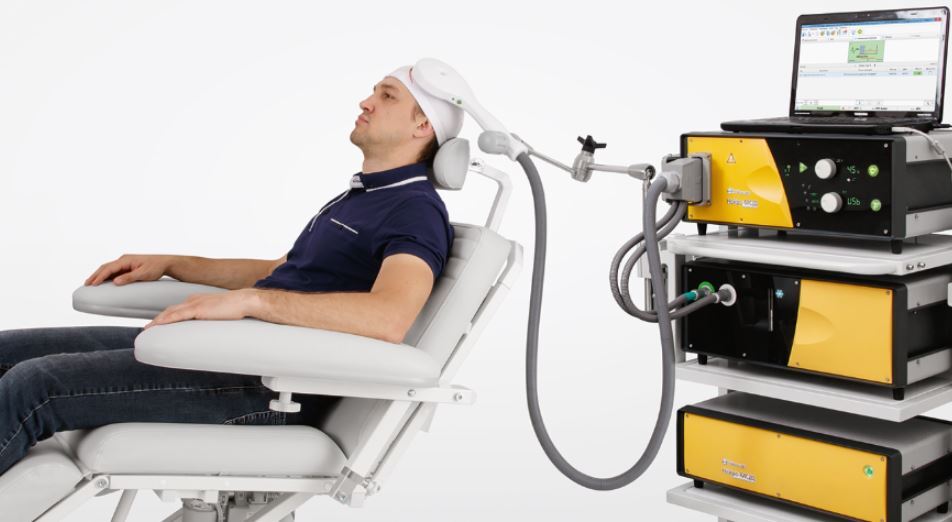
During treatment, a small magnetic coil is placed against the scalp, generating magnetic pulses that painlessly stimulate nerve cells in targeted brain regions. By influencing activity in these areas, rTMS can help improve symptoms of depression.
rTMS has been extensively studied and is an evidence-based treatment for depression, particularly for people who have not experienced sufficient benefit from antidepressant medication. Treatment is provided while you are awake and seated comfortably. Sessions take roughly 10 to 30 minutes and does not require anaesthesia or sedation. A standard treatment course generally involves sessions on consecutive weekdays for several weeks.
How Does rTMS Work for Depression?
rTMS targets areas at the front of the brain involved in mood regulation. Repeated magnetic stimulation is thought to help restore healthier patterns of brain activity by influencing how nerve cells communicate and function. This can lead to improvements in depressive symptoms over time. This stimulation may be repeated many times per second and with variation and intensity: these variations will determine the effects of the stimulation- rTMS and can be applied in different ways to either increase or decrease local brain activity.
The effects of rTMS are gradual rather than immediate. People who respond to treatment often begin to notice improvements within the first few weeks, with benefits continuing to develop throughout the course of treatment. As depression can be a recurring condition, ongoing support and follow-up care are important components of long-term recovery.
rTMS, Antidepressants and ECT: How They Differ
| Treatment | How It Works | Anaesthesia | Often Considered When |
|---|---|---|---|
| rTMS | Targeted magnetic pulses stimulate specific brain regions. | Not required. | Medication hasn't provided enough relief and a non-invasive option is preferred. |
| Antidepressant Medication | Adjusts brain chemistry throughout the body. | Not required. | Usually a first-line treatment for depression. |
| ECT (Electroconvulsive Therapy) | Electrical stimulation induces a brief, controlled seizure. | Required (general anaesthetic). | Severe or treatment-resistant depression requiring intensive care. |
Unlike ECT, rTMS is focused on a specific area of the brain and does not involve anaesthesia, which is part of why it is generally well tolerated.
Is rTMS Right for You?
rTMS is most commonly considered for adults experiencing a major depressive episode, particularly when symptoms have not improved sufficiently with antidepressant medication and psychological therapy. Whether it is appropriate for you is a clinical decision made by a psychiatrist following a comprehensive assessment.
rTMS may be worth discussing if you:
- are an adult experiencing depression
- have tried at least two antidepressant medications (such as SSRIs) without sufficient improvement
- are seeking a non-invasive treatment option that does not involve sedation
- have a referral for psychiatric assessment
rTMS is not suitable for everyone. Certain medical factors, such as implanted metallic or electronic devices or specific health conditions, may prevent its use. Your psychiatrist will carefully review your medical history to determine whether rTMS is safe and appropriate before treatment begins.
Transcranial Magnetic Stimulation at Nundah Private Hospital, Brisbane
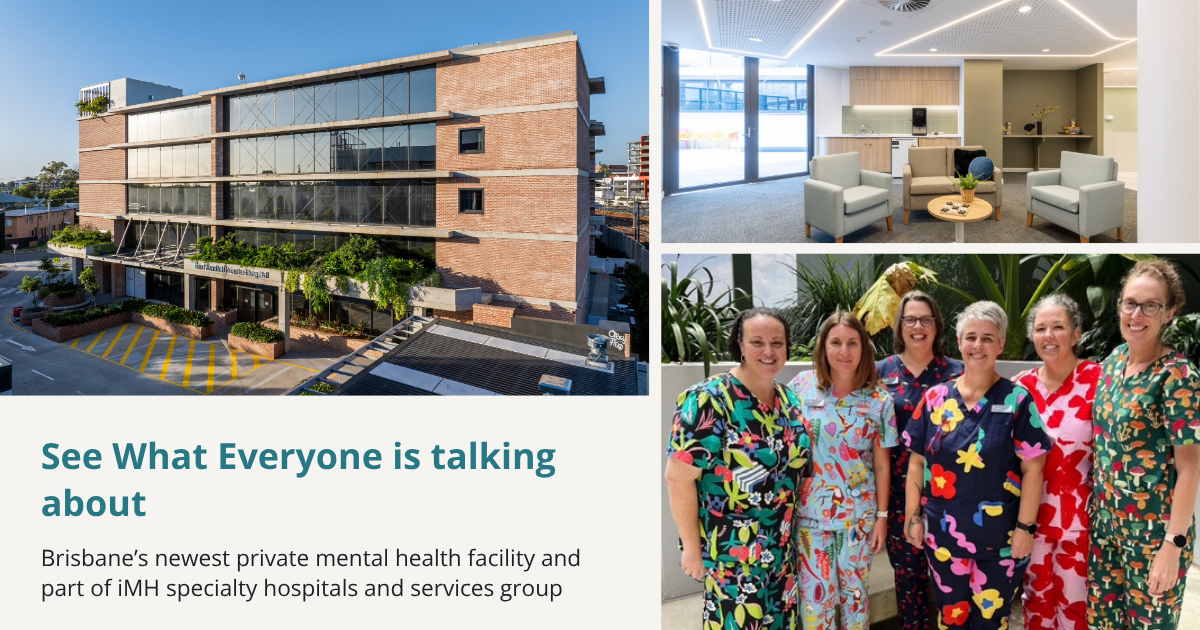
At Nundah Private Hospital, rTMS therapy in Brisbane is delivered within a dedicated 58-bed private mental health hospital, located just 15 minutes from the Brisbane CBD. Our hospital is easily accessible via the Gateway Arterial Road and the Clem Jones Tunnel making it an ideal option for patients throughout South East Queensland. We are also located a short walk from both train and bus stations. Our facility is designed specifically to support mental health treatment in a safe, modern and therapeutic environment. Every aspect has been thoughtfully created to promote healing and well being.
Our outstanding team of experienced Psychiatrists is fully supported by a large Allied Health team, including psychologists, social workers, occupational therapists, dietitian, exercise physiologist and mental health nurses. Together, we provide evidence-based, compassionate care tailored to each patient’s needs. Our Allied Health Team is also available for Private Referrals under our new Connected Care Clinic.
At iMH Nundah Private, the key difference is integration. Care is delivered across a full continuum of services, including inpatient admission, day intensives, day programs, an on-site outpatient clinic, and a Hospital in the Home (HITH) program.
This integrated model allows us to provide flexible, wraparound support that meets you where you are in your treatment journey. Care is guided by a psychiatrist-led treatment plan, with the ability to step up or step down support as your needs change, ensures continuity rather than fragmented care.
Access to rTMS at Nundah Private begins with a referral to a psychiatrist. Our admissions and assessment team will then make contact to discuss options, check your funding options (private health insurance, DVA, WorkCover or self-funding) and talk you through any out-of-pocket costs before treatment starts. The simplest way to begin is to contact our team.
What to Expect From a Course of Treatment
- Assessment and mapping. In your first session, the treating clinician locates the right area for stimulation and sets the appropriate level for you.
- Regular sessions. rTMS is given as a course of sessions over several weeks. You remain awake and seated throughout, and each session takes a set amount of time.
- What it feels like. You may notice a light tapping sensation where the coil rests against your scalp, and a brief muscle twitch in the scalp, forehead or around the eye while the pulses are delivered.
- Response takes time. Many people who respond feel a change by the second or third week, with greater benefit often after three to four weeks.
- Plan your transport. Patients must not drive themselves while undergoing treatment, so it is best to arrange how you will get to and from your sessions in advance.
- Ongoing care. Because depression can return, your psychiatrist will discuss a plan for maintaining your wellbeing after the course.
Side Effects and Safety
rTMS is non-invasive and generally well tolerated. The most common effects are a tapping sensation or mild discomfort at the treatment site, a short-lived headache, and a facial or scalp muscle twitch during stimulation. It does not require anaesthesia, and more serious effects are uncommon. Your psychiatrist assesses your suitability beforehand to keep your treatment as safe as possible.
How to Get Started: Referral and Next Steps
- Talk to your GP or treating doctor about a referral to a psychiatrist with admitting rights to Nundah Private Hospital. You can find what's needed on our getting a referral page.
- Our admissions team will be in touch. Once your referral is received, our admissions and assessment team will call you for a phone assessment and check your insurer details.
- We arrange your care. Your referral is discussed with a psychiatrist who confirms whether rTMS is suitable, and we coordinate your treatment from there.
For GPs and specialists: You can send referrals directly to our admissions team; see our referral process for details.
If you or someone you know needs immediate support, contact Lifeline on 13 11 14, or call 000 in an emergency.
Frequently Asked Questions
What is rTMS used for?
rTMS is primarily used to treat depression, especially when antidepressant medication has not provided enough relief. It is a non-invasive treatment that uses magnetic pulses to stimulate areas of the brain involved in mood.
Is rTMS painful?
No. Most people find it comfortable. You may feel a tapping sensation against the scalp and a brief muscle twitch in the forehead or around the eye while the pulses are delivered.
How long is a course of rTMS?
rTMS is delivered as a course of sessions over several weeks. Your psychiatrist will explain the schedule that suits your situation, as treatment plans are tailored to the individual.
Is rTMS the same as ECT?
No. rTMS uses focused magnetic pulses, is done while you are awake, and does not require anaesthesia. ECT uses electrical stimulation under a general anaesthetic and is generally reserved for more severe cases.
How much does rTMS cost at Nundah Private Hospital?
Costs depend on your individual circumstances and funding. Access is via private health insurance, DVA, WorkCover or self-funding, and our admissions team will check your cover and outline any out-of-pocket expenses before treatment begins. Contact us for an estimate. Some patients may also be eligible for funding under medicare.
Do I need a referral for rTMS in Brisbane?
Yes. rTMS at Nundah Private requires a referral to a psychiatrist with admitting rights to our hospital. Your GP or treating doctor can arrange this.
Can I keep taking my medication during rTMS?
Often, yes. Many people continue their usual medication during treatment. Your treating psychiatrist will advise what is right for you as part of your care plan.
Take the Next Step
Living with depression that has not responded to medication can be exhausting, but it does not mean you are out of options. Transcranial Magnetic Stimulation (rTMS) offers a non-invasive, evidence-based treatment that may help when other treatments have not been effective. At Nundah Private Hospital, rTMS is delivered within a psychiatrist-led, comprehensive mental health service in Brisbane.
If you would like to find out whether rTMS may be suitable for you or someone you care about, please get in touch to discuss an assessment or referral contact our team at Nundah Private Hospital the next steps.
How to access rTMS
Patients interested in rTMS will need a referral to a psychiatrist with admission rights to Nundah Private Hospital.
You can contact our Admissions Team via our details below or access our online forms:
Phone: 1800 231 444
Email: Ndh.admissions@imh.com.au