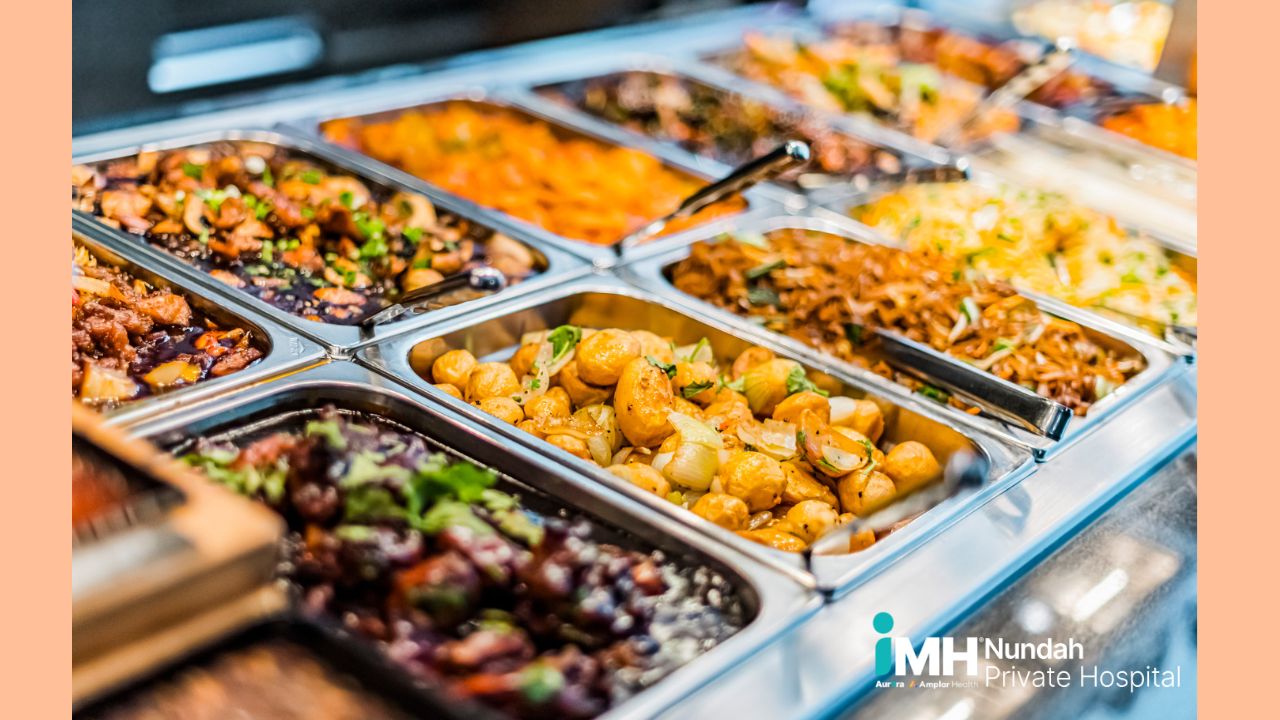
Eating Well When Life Feels Hard: Simple Ways to Nourish Your Body and Mind
When you're struggling with your mental health, even deciding what to eat can feel overwhelming. The good news is that looking after your nutrition doesn't have to be complicated, and small steps can make everyday eating feel more manageable. When life is challenging, preparing meals, shopping for groceries or remembering to eat can become difficult. Depression can leave you feeling exhausted or unmotivated, anxiety may affect your appetite, and stress can disrupt your usual routines. You might skip meals because you don't feel hungry, rely on convenience foods because you're too tired to cook, or find yourself eating differently when emotions feel difficult to manage. If any of this sounds familiar, you're not alone. You don't need to eat perfectly to look after yourself. At Nundah Private Hospital, we recognise that nutrition is one part of supporting overall mental health and wellbeing. Making food choices that work for you, particularly during difficult times, can be a valuable act of self-care.
Why does eating well matter for mental health?
Our brains and bodies need energy and a variety of nutrients to function. Eating regularly and enjoying a range of foods can support energy levels, concentration and physical wellbeing, all of which can influence how we feel throughout the day. Mental health and eating habits can also affect each other. When we're feeling low, anxious or overwhelmed, eating may become harder. When we're not eating enough or our routine is disrupted, we may also find it more difficult to manage everyday demands. Food isn't a cure for mental illness, and struggling to eat well isn't a personal failure. Nutrition is one part of a much bigger picture that includes sleep, relationships, physical health and appropriate mental health care.
1. When cooking feels impossible, make it easier
When your energy or motivation is low, preparing a meal from scratch may feel like too much. Rather than expecting yourself to cook elaborate meals, focus on what is manageable.
Try keeping a few easy options available:
- Toast with eggs, cheese or peanut butter.
- Yoghurt with fruit or cereal.
- Tinned soup with bread.
- A sandwich or wrap with your favourite filling.
- Frozen meals or ready-made meals.
- Crackers, cheese, hummus and fruit for a simple snack plate.
There is nothing wrong with choosing convenience when you need it. A meal that is easy to prepare can be a helpful way to care for yourself on a difficult day.
2. If you forget to eat, create gentle reminders
When you're anxious, distracted or feeling low, hunger cues can be easy to miss. You might suddenly realise it's late in the afternoon and you haven't eaten much. Instead of aiming for a perfect meal schedule, try building gentle reminders into your day.
- Have something simple when you first get up, if you feel able.
- Set a reminder on your phone to pause for lunch.
- Keep snacks somewhere visible and easy to reach.
- Link eating with an existing routine, such as having breakfast with your morning medication if appropriate, or a snack during your afternoon break.
If your appetite is low, smaller meals or snacks may feel easier than a large plate of food. Find a pattern that works for you, without putting unnecessary pressure on yourself.
3. Nourish yourself with foods you enjoy
Eating well doesn't mean following a strict diet or buying expensive ingredients. A variety of familiar, accessible foods can help provide the nutrients your body needs. When possible, try to include a mixture of:
- Fruit and vegetables, fresh, frozen or tinned.
- Protein-rich foods, such as eggs, yoghurt, beans, lentils, fish, chicken or tofu.
- Carbohydrate foods, such as bread, oats, rice, pasta and potatoes, which provide energy.
- Healthy fats, found in foods such as nuts, seeds, olive oil and avocado.
You don't need to include everything at every meal. Adding a food you enjoy to something you're already eating is a good place to start. For example, add fruit to your cereal, frozen vegetables to pasta, or beans to a simple soup. And remember, enjoying takeaway, snacks or convenience foods is part of real life. Eating well is about your overall pattern, not making every meal perfect.
4. Make difficult days a little easier with preparation
Sometimes the hardest part of eating is making decisions. When you're mentally exhausted, even choosing what to cook can feel overwhelming. On a day when you have a little more energy, consider preparing one or two things that might help you later.
You could:
- Buy a few ready-to-eat foods for the fridge.
- Make extra dinner for the next day's lunch.
- Keep frozen vegetables and microwave rice in the freezer or pantry.
- Write down three easy meals you can make without much thought.
- Ask a friend or family member to help with grocery shopping.
You don't need to meal prep for an entire week. Even having one easy meal ready can take some pressure off tomorrow.
5. Remember to drink water
When routines fall away, drinking enough water can be another thing we forget. Not getting enough fluid can contribute to tiredness and difficulty concentrating. Try keeping a water bottle nearby, having a glass of water with meals or taking a few sips whenever you pause during the day. If drinking feels difficult, small, regular sips may be more manageable than trying to drink a large amount at once. Your fluid needs may vary depending on your health and circumstances.
6. Be gentle with yourself when your eating changes
Stress, anxiety and low mood can affect people differently. Some may lose their appetite, while others may find themselves eating more often or reaching for food for comfort. Rather than judging yourself, try to notice what is happening and what you might need. Are you tired? Have you gone too long without eating? Are you feeling lonely, anxious or overwhelmed? Sometimes food is comforting, and that's okay. At other times, you may need rest, connection or support alongside eating. If changes in appetite persist, you're losing weight without intending to, or eating is becoming distressing, consider speaking with your GP or treating clinician. A qualified dietitian can also help you find a supportive approach that considers both your nutritional needs and mental health.
You don't have to do it all at once
When you're struggling, a long list of healthy habits can feel like another burden. Instead, choose one small thing that feels possible today. Perhaps it's eating something for breakfast, keeping an easy meal in the freezer, having a glass of water or asking someone to help with dinner. Some days, looking after yourself will be easier than others. Progress doesn't have to be perfect to matter.
Supporting your wellbeing at Nundah Private Hospital
At Nundah Private Hospital, we understand that mental health recovery involves caring for the whole person. Our patients receive nutritious, well-balanced meals with dietitian oversight, recognising the importance of nutrition as part of their overall care. We understand that eating can be challenging for people experiencing mental health difficulties, and that support needs to be compassionate, practical and tailored to the individual. Nutrition works alongside other aspects of care, including psychological support, medical treatment, sleep, social connection and routines that help people navigate daily life. If your mental health is making it difficult to care for yourself, you don't have to figure everything out alone. Speaking with your GP can help you explore the support and treatment options available to you.
You don't need to change everything today. Sometimes, taking care of yourself begins with one manageable step, one simple meal or one moment of asking for help.
Nundah Private Hospital - a place to exhale and share your stories with people who care.